Unveiling Vintage Postcard Floral Junk Journal Art
The Essence of Nostalgic Elegance
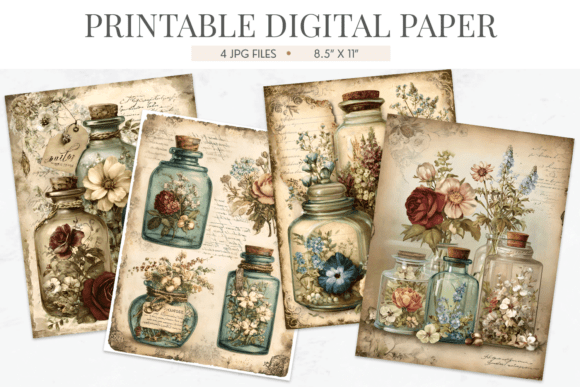
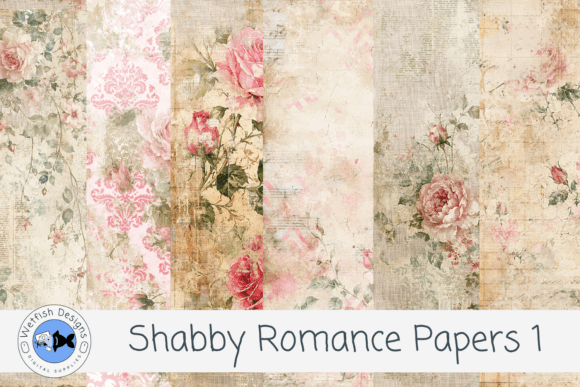
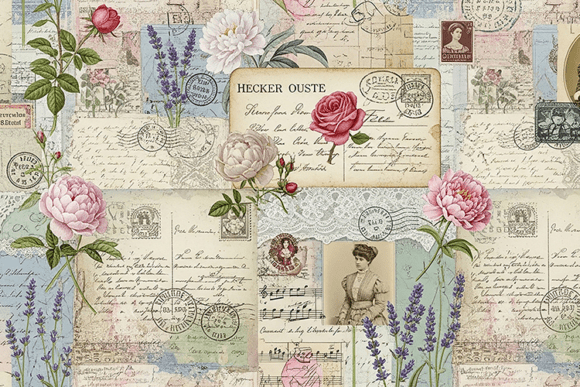
There’s a particular kind of beauty that comes from things that have lived a little. It’s the soft fold of an aged letter, the faded ink of a handwritten note, the delicate preservation of a pressed flower. This is the soul captured in the Vintage Postcard Floral Junk Journal Art. It’s more than just a collection of images; it’s a curated digital collage that transports you to a bygone era of thoughtful correspondence and romantic botany. The design masterfully layers antique postcards, with their distinct edges and weathered textures, alongside serene Victorian portraits. These human elements are woven together with exquisite botanical illustrations of lavender and peonies, creating a harmonious balance between the personal and the natural. The overall personality is one of shabby chic elegance—a style that feels both intentionally artful and gracefully imperfect, thanks to the inclusion of weathered postal stamps and elegant script handwriting.
What makes this particular art asset so compelling is its high-resolution detail. At 5824 x 3264 pixels, the JPG file is a print-ready powerhouse. This isn’t a small web graphic that will pixelate when scaled; it’s a foundational design asset built for professional applications. Whether you’re designing a large-format poster, a book cover, or high-quality stationery, the clarity and depth of the textures remain intact. The color palette, likely featuring soft creams, muted lavenders, dusty pinks, and sepia tones, evokes a sense of calm sophistication. It appeals directly to those who appreciate the tactile quality of paper goods and the narrative depth of vintage aesthetics.
Where This Artistic Style Truly Shines
Understanding where to deploy Vintage Postcard Floral Junk Journal Art is key to unlocking its full potential. Its applications extend far beyond simple scrapbooking, reaching into professional branding and commercial design. For entrepreneurs and small business owners in the wedding industry—think planners, florists, and boutique stationers—this art can form the cornerstone of a brand identity. Imagine it as the backdrop for a website hero image, the texture on a business card, or the central motif on a wedding invitation suite. Its inherent romance and timeless quality communicate a brand promise of elegance, attention to detail, and personalized service.
For content creators, bloggers, and publishers, this asset is a versatile tool for editorial design. Use it to create captivating featured images for blog posts about history, gardening, literature, or DIY crafts. In the realm of social media graphics, a snippet of the floral arrangement can serve as a beautiful, on-brand background for quotes or announcements. The script handwriting element within the art can inspire complementary font pairing choices for headlines or body text, guiding the overall typographic direction of a project. Furthermore, crafters and hobbyists can use the high-resolution file for physical projects like decoupage, custom journal covers, or framed art prints, truly bridging the gap between digital and tangible creation.
Leveraging the Asset for Maximum Impact
Integrating a complex, layered piece like this requires a thoughtful approach to maintain clarity and purpose. The first step is always to consider the project’s primary goal. Is it to evoke nostalgia? To establish a premium, artisanal feel? To create a romantic atmosphere? Let that goal guide your implementation. When using the full collage as a background, ensure that any overlaid text has sufficient contrast. This might mean placing a semi-transparent overlay or a solid text box over a less busy section of the art to guarantee readability.
A practical technique is to deconstruct the asset. You don’t always have to use the entire 5824x3264 composition. Isolate a single peony illustration for a logo accent. Use a cropped section of the postcard texture for a social media template background. Employ the script handwriting as a standalone graphic element for a monogram or a special note. This approach to visual hierarchy prevents the design from feeling overwhelming and allows the intricate details to shine in a controlled way. For commercial projects, always verify the licensing terms. A commercial font or asset license typically covers use on products for sale, but it’s crucial to read the specifics regarding print runs, digital distribution, and merchandise. This due diligence is a hallmark of professionalism and protects your work and your business.
Design Considerations and Final Thoughts
The true power of a resource like Vintage Postcard Floral Junk Journal Art lies in its ability to tell a story without words. It carries an emotional weight that modern, minimalist graphics often lack. In a digital landscape saturated with clean lines and flat design, this textured, narrative-rich style stands out. It offers brand recognition through a distinct aesthetic that feels curated and personal. For a publisher, it could grace the cover of a historical fiction novel or a poetry collection. For a marketer, it could be the key visual in a campaign for a heritage product or a luxury experience.
When selecting this art for a project, test it in context. Place your primary typeface—a clean sans serif font often pairs beautifully with such ornate backgrounds—over the image to check for legibility. Consider the scale: at its full size, every detail is visible, but when scaled down for a thumbnail, will the key elements still read clearly? The high-quality, print-ready file gives you the flexibility to experiment at various sizes without loss of fidelity. Ultimately, this asset is a bridge between the analog warmth of the past and the digital precision of the present. It’s a tool for designers and creators who want to imbue their work with a sense of history, romance, and handcrafted charm, ensuring their projects resonate with an audience that values depth and authenticity.