Unlocking Vintage Charm with Apothecary Botanical Junk Journal Paper
There’s a certain magic in the textures of old-world apothecaries—the faded script, the delicate pressed flowers, the glass bottles holding mysteries. For creators working in junk journaling, cottagecore crafts, or vintage-inspired branding, capturing that specific, romantic aesthetic can be a challenge. This is where a thoughtfully curated digital asset like the Apothecary Botanical Junk Journal Paper set becomes an invaluable part of your creative toolkit. It’s more than just a background; it’s a foundational layer that immediately establishes a mood, personality, and sense of history for your projects.
An Authentic Canvas for Whimsical Storytelling
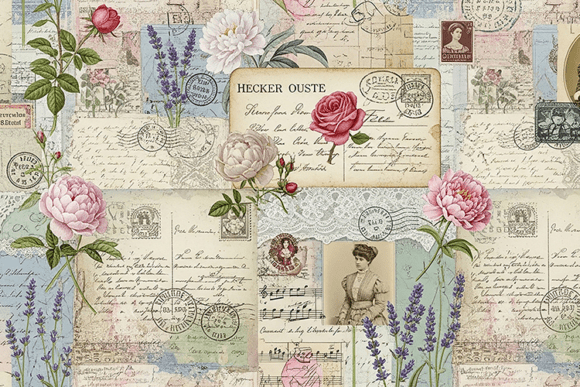
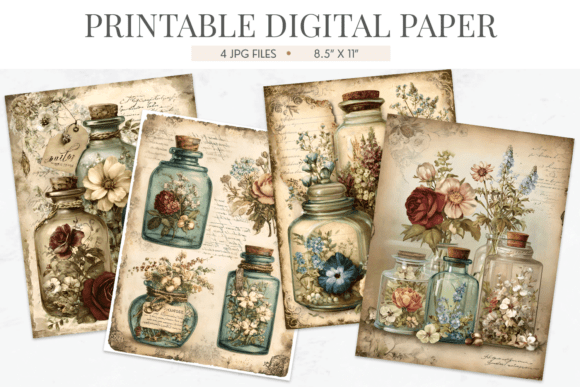
At its core, this collection of four digital papers is a masterclass in layered, textured design. Imagine richly aged parchment, not as a flat color, but as a surface with visual depth, bearing the ghost impressions of handwritten script and vintage flourishes. Over this, the set features beautifully detailed watercolor illustrations of apothecary bottles. These aren’t sterile, modern graphics; they’re filled with the soft, dusty hues of pressed roses, wildflowers, and delicate botanicals. The color palette—teal, burgundy, blush, and blue—is intentionally muted and harmonious, evoking a sense of faded elegance and botanical romance.
The overall appeal lies in its authentic, worn-in feel. It doesn’t look digitally manufactured; it feels discovered, like a page from a forgotten herbalist’s journal. This personality makes it incredibly versatile. The aesthetic isn’t tied to a single era but rather a timeless, whimsical style that resonates with themes of nature, history, and gentle magic. For a designer or crafter, this means you’re not just buying a background—you’re acquiring a mood board in a single file, ready to inspire and anchor your entire project.
Practical Applications Beyond the Journal Page
While perfect for its namesake junk journaling, the utility of this Apothecary Botanical Junk Journal Paper extends far into professional and personal creative projects. Think of it as a versatile design asset for anyone building a brand identity with a vintage, artisanal, or botanical focus. A small-batch skincare brand, a boutique tea shop, or a floral designer could use these papers as the backdrop for product photography, creating cohesive social media graphics that tell a rich visual story.
In editorial design, these papers can serve as a textured background for feature articles in magazines or blogs about herbalism, vintage fashion, or interior design. For packaging design, a scaled-down version could wrap a product box or become the liner for an envelope, adding a tactile, premium feel. The soft, detailed nature also makes it suitable for card making and invitation suites, particularly for weddings or events with a garden party or vintage theme. In the digital realm, it can enhance website headers, e-book covers, or digital planners, providing a visual anchor that is both beautiful and thematically consistent.
Integrating the Aesthetic into Your Creative Workflow
When incorporating a strong stylistic element like this, the goal is harmony, not competition. The visual complexity of the apothecary bottles and layered script means it works best as a background or a dominant feature element. Pair it with simpler, cleaner components to let it shine. For instance, overlaying it with a clean, modern sans serif font for body text creates a striking and readable contrast, allowing the vintage texture to frame the contemporary content.
Consider its role in establishing visual hierarchy. The paper’s inherent detail can be used to draw the eye to a central piece of text or a logo. In logo design for a related brand, a subtle excerpt from this paper could be used as a texture within letterforms or as a background shape, instantly communicating the brand’s vintage botanical personality. The key is to evaluate the project’s needs. Is the goal to evoke nostalgia, craftsmanship, and natural beauty? Then this asset is a strong candidate. For projects requiring minimalism or high-tech sleekness, it would likely be a mismatch.
Testing is straightforward. Since the files are high-resolution JPGs at 300 DPI, they are print-ready and can be easily scaled in any design software. Try placing your text or graphic elements over a section of the paper. Does the contrast work? Is the text still legible? The “dusty hues” are generally forgiving, but always check readability, especially with longer passages of text. For a cohesive font pairing, consider a classic serif font or a gentle script font for headlines to complement the vintage feel, but ensure the script remains legible.
Making the Most of Your Digital Purchase
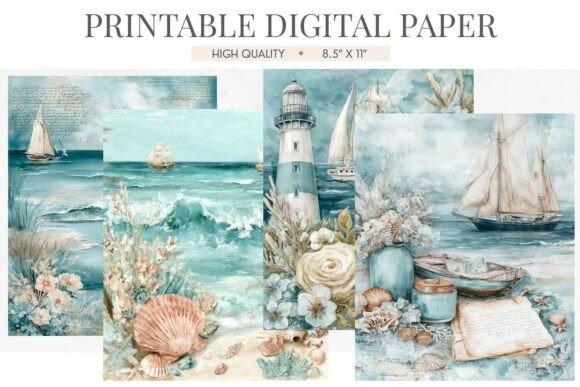
As a digital download, this asset offers immediate creative flexibility. You will receive four distinct but thematically unified 8.5x11 inch files, giving you variety for different projects or pages within a single journal. The license is typically for personal and small commercial use, allowing you to incorporate the papers into physical end-products you sell, like finished journals, cards, or prints. However, it’s crucial to review the specific license terms provided with your purchase to ensure compliance, especially for larger commercial applications.
Remember, the colors on your screen may appear slightly different when printed due to monitor calibration. For critical print projects, doing a small test print is always a wise step. The true value of a resource like the Apothecary Botanical Junk Journal Paper lies in its ability to save you hours of time trying to manually create this layered, authentic aesthetic from scratch. It provides a professional, consistent foundation that you can build upon, allowing you to focus your energy on the unique creative elements of your design or craft.
Ultimately, this set is for the creator who values story and texture. It’s for the marketer who wants to build a brand with depth, the crafter who cherishes the handmade feel, and the designer seeking a premium font of visual inspiration. It’s a practical tool for bringing a specific, enchanting vision to life—one that feels both whimsical and wonderfully real.