Timeless Elegance: Using Vintage Paper Backgrounds
There’s a particular kind of magic in objects that carry a sense of history. A faded letter, a weathered music sheet, a botanical illustration from a forgotten book—they connect us to stories and aesthetics that feel both personal and profound. For designers, crafters, and content creators, harnessing that nostalgic warmth can transform a project from merely functional to deeply evocative. This is precisely where a thoughtfully curated collection of vintage handwritten paper backgrounds becomes an indispensable creative asset.
Understanding the Aesthetic: More Than Just an Old Texture
A high-quality vintage paper background collection isn't a single, monolithic style. It’s a carefully assembled palette of visual elements that work together to create a specific mood. Think of it as a designer’s toolkit for evoking the past. The core components often include:
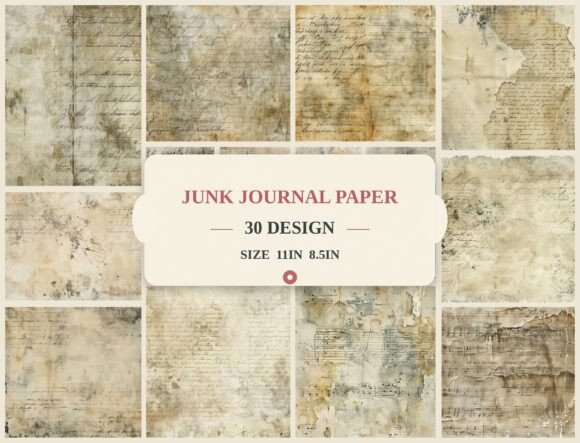
- Aged Parchment Tones: These are the foundational hues—creams, ivories, soft tans, and muted golds that provide a warm, organic canvas far richer than a stark white.
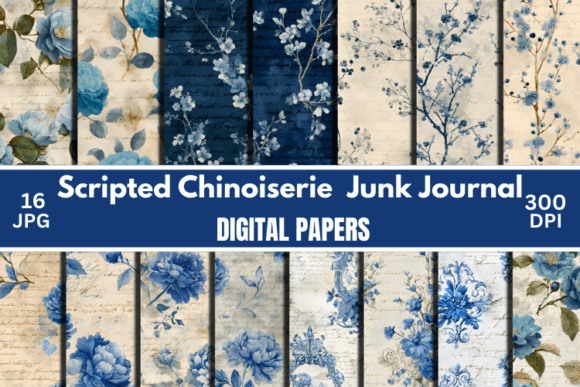
- Delicate Handwritten Script: Authentic-looking cursive or calligraphic writing adds a layer of personal, human touch, suggesting correspondence or journaling.
- Faded Music Sheet Details: Subtle staves and notes introduce a rhythmic, artistic element, perfect for projects related to art, education, or romance.
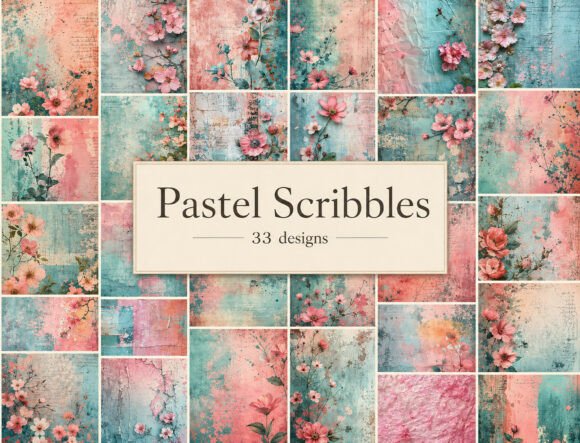
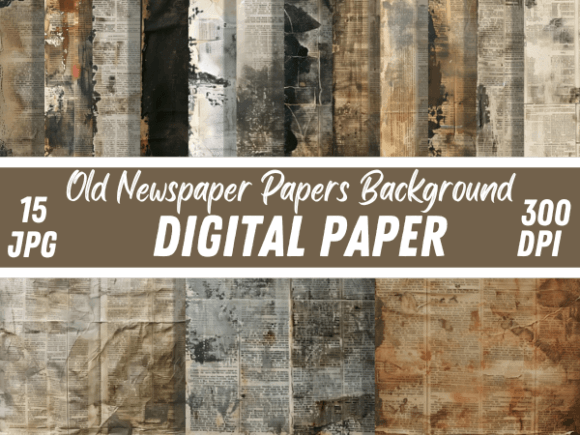
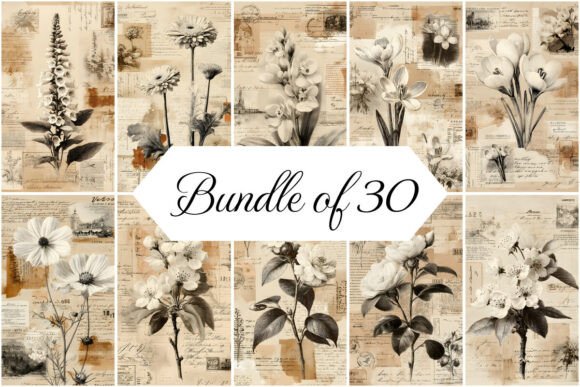
- Ornate Floral Accents & Distressed Stains: These elements build visual depth and authenticity. Delicate botanicals speak to Victorian elegance, while controlled stains and foxing (age spots) add the necessary grit to prevent the design from looking overly pristine or digital.
- Romantic Antique Textures: The overall feel is one of graceful imperfection—the soft tooth of paper, subtle fiber patterns, and gentle wear that tell a silent story.
This combination creates a personality that is simultaneously elegant, nostalgic, and approachable. It’s a style that avoids the coldness of modern minimalism, offering instead a sense of crafted warmth and narrative depth.
Practical Applications: Where This Background Truly Shines
The versatility of these backgrounds is their greatest strength. They are not niche assets; they are foundational design elements that can elevate a wide array of projects across both digital and physical mediums.
For Digital Creators and Entrepreneurs
In the digital space, these backgrounds cut through the visual noise. Use them as a subtle base for social media graphics to make text stand out with a warm, trustworthy feel. They are superb for creating engaging web design hero sections, especially for blogs, boutiques, or portfolios that emphasize craftsmanship, history, or artistry. As a creative font pairing, they complement elegant serif and sans-serif typefaces beautifully. For brand identity, they can help a small business—like a coffee shop, bakery, antique dealer, or artisanal brand—communicate authenticity and timelessness from the first click.
For Print, Publishing, and Craft
This is where the backgrounds feel most at home. They are ideal for:
- Junk Journals & Scrapbooking: They provide instant, cohesive pages that look authentically aged.
- Printable Stationery & Invitations: Create unique wedding invitations, thank-you cards, or letter sets with a built-in sense of history.
- Card Making & Tags: The distressed textures add depth and character to handmade goods.
- Wall Art & Decoupage: Print them as standalone art pieces or use them to cover furniture and objects for a vintage makeover.
- Mixed Media & Collage: They serve as the perfect starting layer, adding complexity and cohesion to mixed-media artwork.
- Editorial Design & Packaging: For publishers or product-based businesses, these backgrounds can enhance book interiors, magazine layouts, or product packaging, adding a tactile, premium feel.
Making It Work: Guidance for Effective Use
Having a beautiful asset is one thing; using it effectively is another. Here’s how to integrate these backgrounds into your workflow for maximum impact.
Evaluate the Project Fit: First, ask if the vintage aesthetic aligns with your project’s core message. It’s perfect for conveying heritage, romance, artistry, or warmth. It might be less suitable for a tech startup’s main branding, but could still work for a specific campaign or internal document.
Test Font Pairings Diligently: The handwritten script in the background is a strong design element. Pair it with clean, legible typefaces to maintain readability and visual hierarchy. A classic serif font for body text or a simple sans serif font for headings often creates a beautiful contrast. Avoid pairing it with other highly decorative script fonts or display fonts, which can create visual chaos.
Consider Readability and Layering: If you’re placing text over the background, ensure sufficient contrast. You might need to slightly mute the background’s intensity with a semi-transparent overlay or place text within a slightly lighter area of the design. The goal is harmony, not a struggle to read.
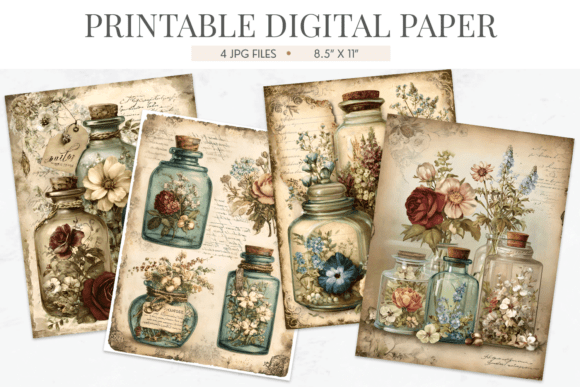
Check the Technical Specifications: A collection sized at 11x8.5 inches at 300 DPI is a professional standard, offering high resolution for both print and digital work. This ensures your final output—whether a printed invitation or a scaled-down social media post—remains sharp and detailed.
Understand the Licensing: For any project intended for sale or commercial use, verify the license. A collection that includes a commercial license is crucial for entrepreneurs, designers, and small business owners who plan to incorporate these assets into products for clients or for sale.
In the end, a well-chosen set of vintage paper backgrounds is more than just a decorative layer. It’s a storytelling tool. It provides a tangible connection to the past, allowing you to infuse your modern projects with the enduring charm of handwritten notes, aged paper, and the quiet elegance of a bygone era. By applying these backgrounds thoughtfully, you can craft experiences that feel both authentically nostalgic and refreshingly unique.