Spilling the Tea Since 1773 PNG: A Bold Graphic for History & Humor
When you combine a pivotal moment in American history with the playful sarcasm of modern internet culture, the result is a design that stops the scroll. The Spilling the Tea Since 1773 PNG is exactly that—a premium digital asset that bridges the gap between colonial rebellion and contemporary wit. This high-resolution graphic isn't just a clipart image; it is a detailed composition featuring a vintage sailing ship, distressed typography, and patriotic accents. For designers, small business owners, and content creators, this asset offers a unique solution for projects that need to feel both historically grounded and culturally relevant.
Anatomy of a High-Impact Design
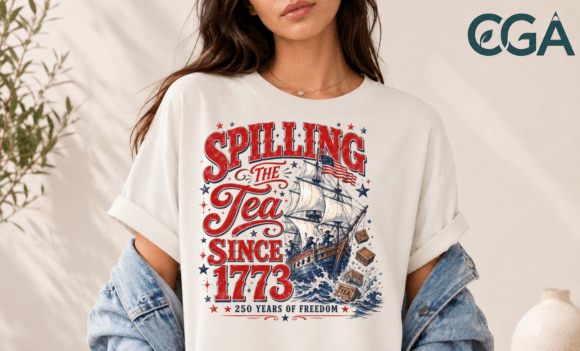
To effectively use a design asset, you need to understand its visual components. This specific PNG is built on a foundation of contrast. The central illustration depicts a colonial vessel tossing crates into churning waves, rendered in a style that mimics historical etchings but with bold, modern contrast. Surrounding the ship is a blend of typography styles that creates immediate visual hierarchy.
The headline uses two distinct typeface styles to deliver the punchline. The words "SPILLING THE" are rendered in a distressed red varsity block lettering—a classic display font style associated with Americana and sports. This is paired with an elegant cursive script for the word "Tea." This interplay between a heavy, masculine serif font style and a delicate script font creates a dynamic tension that draws the eye. The addition of early American flags, decorative scrolls, and a border of patriotic stars anchors the "250 YEARS OF FREEDOM" milestone text, giving the entire piece a cohesive, vintage-poster aesthetic.
Strategic Applications for Digital and Print
The versatility of the Spilling the Tea Since 1773 PNG makes it a valuable addition to any creative's toolkit. Because the file is a high-resolution PNG with a transparent background, it integrates seamlessly into complex layouts without the hassle of masking or clipping paths. Here is how different professionals can leverage this asset:
- Apparel and Merchandise: This is the most direct application. The design translates perfectly onto T-shirts, hoodies, and tank tops. For print-on-demand businesses, the 300 DPI quality ensures that the distressed details of the typography remain crisp on fabric.
- Packaging Design: If you are branding a product with a rustic or artisanal vibe—such as loose-leaf teas, hot sauces, or craft beers—this graphic adds instant character to your packaging design. It suggests a product with heritage and personality.
- Social Media Graphics: In the realm of social media graphics, engagement often relies on humor. This image serves as a perfect standalone post for July 4th or a background element for stories discussing history or current events (playing on the slang "spilling the tea").
- Physical Decor and Events: Event planners and DIY crafters can use this for party banners, custom coffee mugs, and insulated tumblers. It acts as a cohesive visual theme for patriotic gatherings or history-themed classrooms.
Integrating the Asset into Your Brand Identity
While this is a standalone graphic, it can play a significant role in a broader brand identity if used correctly. When incorporating a bold design like the Spilling the Tea Since 1773 PNG into your marketing materials, consistency is key.
Consider the surrounding elements in your layout. Because the graphic uses red and features vintage textures, pair it with clean, modern typography to avoid visual clutter. A simple sans serif font for body copy works best here, allowing the detailed illustration to remain the focal point. If you are using this for a specific campaign, such as a 4th of July sale, ensure the color palette of your other web design elements complements the red and off-white tones of the PNG.
Furthermore, this design helps establish a specific tone of voice. It signals to your audience that your brand doesn't take itself too seriously but still values quality and history. This balance is difficult to strike with generic stock photography, making this specific asset a powerful tool for brand perception.
Technical Specifications for Flawless Execution
From a production standpoint, the utility of this file lies in its technical specifications. As a premium font and graphic resource, the Spilling the Tea Since 1773 PNG is optimized for professional workflows.
The transparent background is crucial for layering. Whether you are placing it over a textured paper background in Photoshop or positioning it on a colored T-shirt mockup, the cut-out edges allow for instant integration. The 300 DPI resolution is the industry standard for high-quality printing; this ensures that the "distressed" look of the typography is intentional artistic styling, not pixelation.
For those in the sublimation space, the file structure is designed for heat transfer processes. The design assets provided are ready to go, reducing the time you spend on file prep and allowing you to focus on the creative application. Whether you are a seasoned graphic designer or a hobbyist crafter, the accessibility of an instant digital download format ensures a smooth workflow from concept to finished product.
Choosing the Right Context
Finally, knowing when to use a specific graphic is just as important as how to use it. This asset is not suited for minimalist, corporate finance reports. However, it excels in environments where personality is a premium.
Use the Spilling the Tea Since 1773 PNG for:
- Editorial Design: Feature it in blog headers or magazine layouts discussing American history, political satire, or tea culture.
- Classroom Decor: History teachers can use this to create an engaging learning environment that speaks the students' language.
- Custom Stickers: The circular or badge-like composition of the elements makes it ideal for die-cut sticker production.
By treating this graphic as a piece of modern typography art rather than just a picture, you can elevate your projects. It serves as a reminder that good design often comes from the unexpected collision of eras—combining the gravitas of 1773 with the vernacular of today.